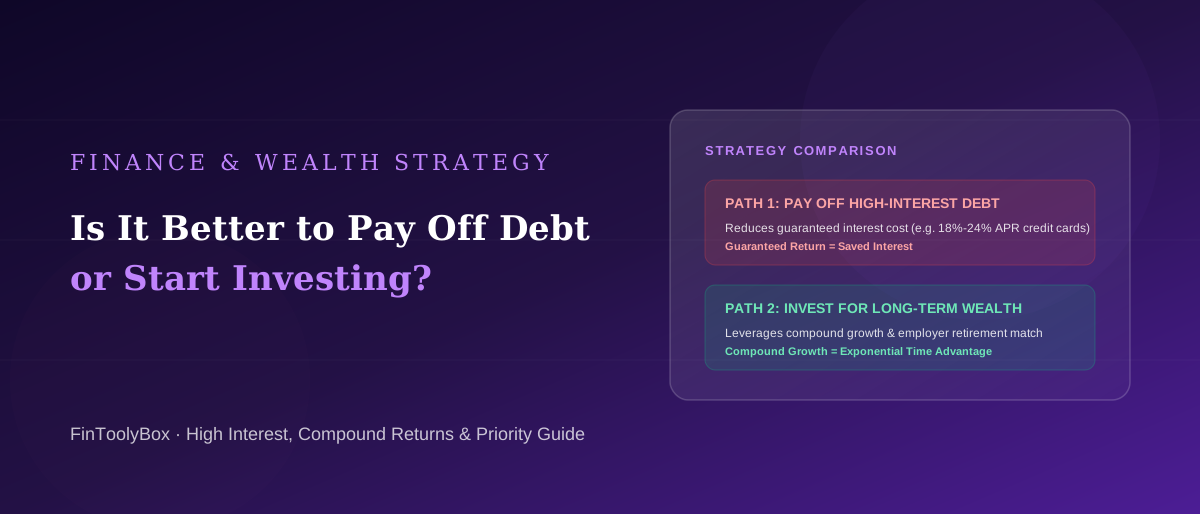
In most cases, the smartest strategy is doing both—in the right order and proportion. Eliminate high-interest debt (7%+ APR) first to secure a guaranteed return, while maintaining a basic emergency fund and starting automated investments early to harness compound growth.
If you have some extra money left at the end of the month, you may find yourself asking a very common financial question: Should I use this money to pay off my debt, or should I start investing it?
There is no single answer that works for everyone. The right choice depends on the type of debt you have, the interest rate you are paying, your financial goals, and whether you already have some savings set aside.
The good news is that you do not necessarily have to choose one or the other. With the right approach, you can work toward becoming debt-free while also building long-term wealth.
Start by Looking at the Interest Rate
One of the easiest ways to decide what deserves your attention first is to look at the interest rate on your debt.
High-interest debt can become extremely expensive over time. Credit card balances are a common example. If you carry a balance from month to month, interest can make it much harder to reduce what you owe.
Imagine you have $5,000 in high-interest debt. If the interest rate is high (e.g. 18% to 24%), a significant portion of your monthly payment goes toward interest instead of reducing the original balance.
In that situation, paying down the debt can be a very attractive financial move because you are effectively reducing a guaranteed cost.
What About Low-Interest Debt?
Not all debt needs to be treated like an emergency.
Some loans may have relatively low interest rates (such as a 3% or 4% mortgage or low-rate student loan), especially compared with expensive credit card debt. If your debt has a manageable rate and your monthly payments fit comfortably within your budget, you may have more flexibility.
Instead of putting every extra dollar toward the loan, you could consider putting some money toward investing at the same time.
This approach allows you to make progress on your debt while also giving your investments more time to potentially grow.
| Financial Focus | Interest / Expected Return | Risk Level | Best Action |
|---|---|---|---|
| High-Interest Debt | 15% – 25%+ APR | Guaranteed Cost | Pay Off Fast (Top Priority) |
| Moderate Debt | 6% – 10% APR | Fixed Obligation | Split Cash (Debt + Invest) |
| Low-Interest Debt | 3% – 5% APR | Low Drag | Prioritize Investing |
| Market Index Funds | ~7% – 10% Historical Avg | Variable Return | Invest Early for Time Advantage |
Don't Ignore Your Emergency Fund
Before aggressively paying off debt or investing large amounts of money, it is worth considering whether you have an emergency fund.
Life has a way of producing unexpected expenses. A car repair, medical bill, job interruption, or urgent home expense can quickly create financial stress.
Without savings, you might have to rely on a credit card or another loan when something goes wrong. That can undo the progress you have made paying down your existing debt (see step-by-step emergency fund guide).
For many people, building at least a small emergency cushion is a sensible first step. You can then increase your savings as your financial situation becomes more stable.
Why Paying Off Debt Feels So Good
There is also a psychological side to this decision.
Being in debt can feel like carrying a weight around. Every month, you have payments to make and balances to think about. Paying off a debt can provide a sense of freedom and make your monthly budget easier to manage.
Once a loan is completely paid off, the money that was going toward that payment becomes available for other goals.
For someone who feels overwhelmed by debt, becoming debt-free may be more valuable than trying to maximize investment returns immediately. Methods like the debt snowball or debt avalanche can provide quick psychological momentum.
Why Investing Early Matters
On the other hand, investing has one major advantage: time.
The earlier you start investing, the longer your money potentially has to grow. Even relatively small contributions can become meaningful over many years if investment returns are positive and the earnings are reinvested.
This is where compound growth becomes important. Instead of earning returns only on your original contributions, your investments can potentially earn returns on previous gains as well.
For this reason, completely ignoring investing for many years may mean missing valuable time in the market.
A Balanced Approach Can Work
You do not always have to make an all-or-nothing decision.
For example, suppose you have $500 available each month after covering your essential expenses (using the 50/30/20 budgeting framework). Instead of putting the entire $500 toward debt, you might decide to divide the money between debt repayment and investing:
Sample Balanced Allocation ($500 Surplus)
- $300 toward paying down debt faster
- $100 toward building an emergency cash fund
- $100 toward long-term investing & index funds
The exact numbers are not important. What matters is creating a plan that matches your financial situation and that you can consistently follow.
Consider Your Financial Priorities
Your personal circumstances should also influence the decision.
If you have several high-interest debts, paying them down may deserve most of your attention. If your debt is relatively inexpensive and you already have emergency savings, investing may become a more attractive option.
You should also consider whether your employer offers a retirement plan with matching contributions (such as a 401k match). If available, contributing enough to receive an employer match is essentially free money and is usually worth considering while you work on your other financial goals.
Use a Simple Three-Step Strategy
If you are unsure where to begin, try this simple framework:
- Build a basic emergency fund. Put some money aside so unexpected expenses do not immediately become new credit card debt.
- Focus heavily on expensive debt. Prioritize debts with high interest rates (credit cards, payday loans) because they grow quickly.
- Start investing for long-term goals. Once your financial foundation is stronger, make regular investments that fit your budget and risk tolerance.
This approach does not require you to be perfect. The goal is simply to make steady progress in several areas instead of waiting until your finances are completely "perfect" before taking action.
What If You Have Very Little Extra Money?
If money is tight, do not feel pressured to invest large amounts immediately.
Starting with a small amount can still help you build the habit. At the same time, finding ways to reduce high-interest debt can improve your monthly cash flow.
For example, paying an additional $50 or $100 toward a debt every month may seem insignificant, but consistent extra payments can make a huge difference over time.
The important thing is to avoid comparing your financial progress with someone else's. Your starting point, income, expenses, debt, and responsibilities may be completely different.
Final Thoughts
So, is it better to pay off debt or start investing?
In many cases, the smartest answer is both—but in the right order and proportion.
High-interest debt generally deserves serious attention because it can quickly become expensive. At the same time, investing early can give your money more time to potentially benefit from long-term growth.
Start by understanding your debt, building some financial breathing room, and setting realistic goals. You can then decide how much of your extra money should go toward debt repayment and how much should go toward investing.
Personal finance is not about making one perfect decision. It is about making better decisions consistently. Even small steps, repeated month after month, can move you toward a much stronger financial position.
Sources & References
This financial decision guide is based on established personal finance methodologies. For official guidelines, consult:
- U.S. Securities and Exchange Commission (SEC) Investor Education
- Consumer Financial Protection Bureau (CFPB) Debt and Investing Tools
- Financial Industry Regulatory Authority (FINRA) Personal Finance
Frequently asked questions
At what interest rate should I prioritize paying off debt over investing?
Debts with interest rates above 7% to 8% (such as credit cards or high-interest loans) should generally be paid off first because eliminating them provides a guaranteed return equal to the saved interest.
Should I invest enough to get my employer 401(k) match while paying off debt?
Yes, in most cases contributing enough to get an employer match is an immediate 50% to 100% return on your money, which usually beats the interest saved on debt.
Can I pay off debt and invest at the same time?
Yes! A balanced approach splits extra monthly cash between high-interest debt repayment, building an emergency cash cushion, and small automated monthly investments.
Helpful resources
Internal resources
- Snowball vs Avalanche Debt Payoff Strategy
- Emergency Fund Guide
- How Compound Interest Works
- The 50/30/20 Budgeting Rule
- How Much to Save on $3,000 Salary
- Browse all articles
External resources
- Investopedia — Pay Down Debt or Invest: How to Decide
- Consumer Financial Protection Bureau — Debt Management