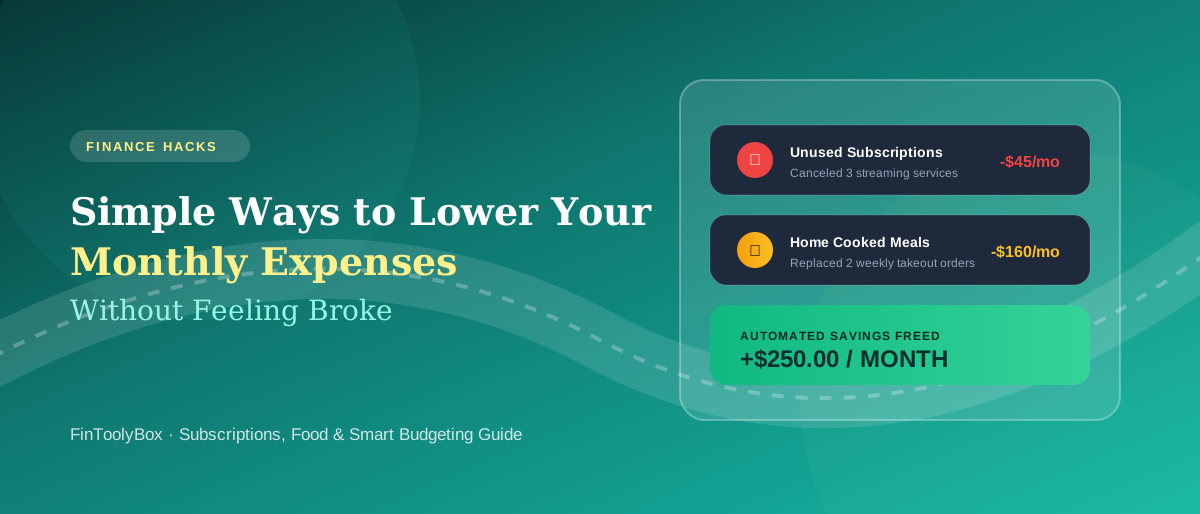
Sustainable saving isn't about extreme sacrifice. Identify low-value spending (unused subscriptions, excess food delivery, outdated phone plans) and cut them gradually. Automate your freed cash into savings before it disappears into other purchases.
Saving money does not always mean cutting out everything you enjoy. In fact, one of the easiest ways to improve your finances is to find a few expenses you can reduce without making your everyday life miserable.
The problem with extreme budgeting is that it can be difficult to maintain. You might cut your spending dramatically for a few weeks, feel restricted, and eventually return to your old habits.
A better approach is to look for small changes that make a noticeable difference over time. Here are some practical ways to lower your monthly expenses without feeling like you are constantly saying “no” to yourself.
Start by Looking at Where Your Money Goes
Before cutting anything, take a close look at your spending.
Go through your recent bank and credit card transactions and group your expenses into categories such as housing, food, transportation, entertainment, subscriptions, shopping, and debt payments.
You may be surprised by what you find. A few small purchases that seem harmless individually can add up to a significant amount over an entire month.
The goal is not to judge yourself. It is simply to understand where your money is going.
Cancel Subscriptions You Barely Use
Subscriptions are easy to forget because the payments often happen automatically.
You might be paying for several streaming services, apps, memberships, cloud storage plans, or other subscriptions that you rarely use.
Look through your recurring payments and ask yourself one simple question: “Would I sign up for this again today?”
If the answer is no, consider canceling it.
Even removing two or three unnecessary subscriptions can free up $30 to $50 every month without changing much about your lifestyle.
Eat at Home a Little More Often
Food can be one of the easiest places to find savings, but you do not need to stop eating out completely.
Instead, try replacing a few restaurant or delivery meals with meals prepared at home.
For example, if you normally order takeout four times a week, reducing that to two times could save $150+ a month while still allowing you to enjoy your favorite meals.
You can also prepare larger portions and use leftovers for lunch the next day. This reduces both food waste and the temptation to buy another meal when you are busy.
Make a Shopping List
Impulse purchases can quietly increase your monthly expenses.
Before going shopping, make a list and try to stick to it. This is especially useful for groceries and household items.
You can also wait 24 hours before buying something that is non-essential. That short waiting period gives you time to decide whether you actually need the item or simply wanted it in the moment.
Review Your Phone and Internet Plans
Another easy place to look for savings is your monthly phone and internet bill.
Check whether you are paying for more data, speed, or features than you actually need.
Sometimes switching to a different plan or provider can lower your bill without noticeably affecting your daily routine.
It is also worth checking whether your provider has newer or cheaper plans available. Prices and packages change over time, so the plan that was best for you two years ago may not be the best option today.
Reduce Your Energy Bill
Small changes around the home can also help reduce monthly expenses.
Turning off lights and electronics when they are not needed, using appliances efficiently, and paying attention to heating or cooling habits can all help.
You do not have to make your home uncomfortable. Focus on simple habits that reduce waste without significantly affecting your comfort.
Be Careful With Convenience Spending
Convenience can be expensive.
Food delivery fees, rides when public transportation is available, last-minute purchases, and frequent small online orders can all add up.
This does not mean convenience is bad. Sometimes paying for convenience is completely reasonable. The key is knowing when you are paying for something because you genuinely value it and when you are simply spending out of habit.
Find Cheaper Alternatives
You do not always have to stop buying something you enjoy. Sometimes you can simply find a less expensive version.
| Current Expense | Cheaper Alternative | Est. Monthly Savings |
|---|---|---|
| Name-Brand Groceries | Store-brand items | $40 – $70 / mo |
| Frequent Food Delivery | Cook extra batch / leftovers | $100 – $200 / mo |
| Unused Streaming Apps | Keep 1 active service at a time | $25 – $40 / mo |
| Legacy Phone Plan | Modern MVNO / low-tier plan | $30 – $50 / mo |
The idea is to reduce the price without eliminating the experience entirely.
Try a “No-Spend” Day
If you want to become more conscious of your spending, try having one or two no-spend days each week.
On those days, you simply avoid unnecessary purchases and use what you already have.
You might cook at home, make coffee yourself, take a walk, watch something you already have access to, or spend time with friends without spending money.
It may seem like a small exercise, but it can help you recognize how often you spend money simply because spending has become part of your routine.
Don't Forget About Your Biggest Expenses
Small savings are useful, but your biggest expenses usually have the greatest potential impact.
Housing, transportation, insurance, and debt payments can take up a large part of your monthly income.
If you can eventually reduce one of these major costs, the effect could be much greater than skipping a few small purchases.
For example, refinancing eligible debt (see debt consolidation guide), comparing insurance options, choosing a less expensive vehicle, or finding a more affordable housing arrangement could potentially make a significant difference.
Give Yourself a Spending Allowance
One reason strict budgets fail is that they leave no room for enjoyment.
Instead of trying to eliminate all unnecessary spending, consider creating a specific allowance of money for entertainment and personal purchases (following the 50/30/20 budgeting rule).
Once that money is spent, you wait until the next budgeting period.
This gives you permission to enjoy your money while still keeping your overall spending under control.
Automate the Money You Save
When you reduce an expense, do something useful with the money you free up.
For example, if you save $50 per month by canceling subscriptions, consider automatically transferring that $50 toward your emergency fund, debt repayment, or another financial goal.
Otherwise, there is a good chance the extra money will simply disappear into another category of spending.
Final Thoughts
Lowering your monthly expenses does not have to mean living an extremely restrictive lifestyle.
The most sustainable approach is usually to identify spending that does not add much value to your life and gradually reduce it.
Start with subscriptions, food, convenience purchases, recurring bills, and other areas where small changes are easy to make. Then look at your larger expenses once you have built better spending habits.
Remember, the goal is not to spend as little money as possible. The goal is to make sure your money is going toward the things that actually matter to you.
Sources & References
This budgeting guide relies on verified personal finance standards. For official resources, visit:
- Consumer Financial Protection Bureau (CFPB) Managing Spending
- Federal Trade Commission (FTC) Managing Household Budgets
- FINRA Personal Financial Management Education
Frequently asked questions
How can I cut monthly expenses without extreme budgeting?
Focus on high-leverage small changes: cancel unused subscriptions, reduce restaurant/delivery meals from 4 times to 2 times per week, negotiate phone/internet plans, and automate saved cash into savings.
What is a "No-Spend Day" and does it actually work?
A no-spend day is choosing 1 or 2 days a week where you refrain from buying non-essentials. It breaks habitual spending cycles and helps you realize how often money is spent purely out of routine.
What should I do with the money I save from lowering expenses?
Immediately set up an automated transfer to redirect saved cash toward an emergency fund, debt payoff, or investment account so it doesn't dissolve back into general spending.
Helpful resources
Internal resources
- The 50/30/20 Budgeting Rule
- How Much to Save on $3,000 Salary
- Emergency Fund Guide
- 5 Smart Savings Strategies Guide
- Browse all articles